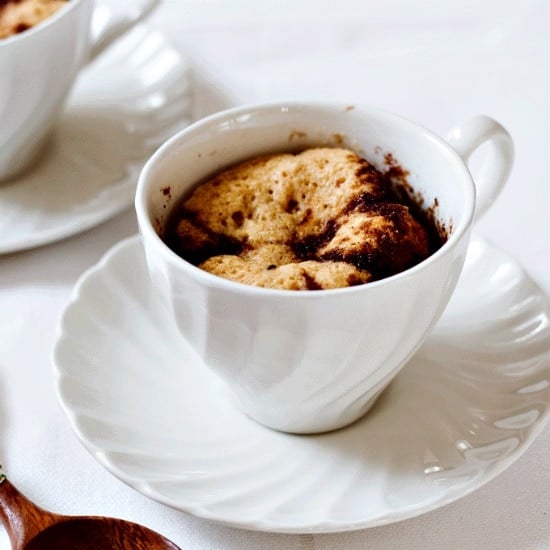
Satisfy Cravings Instantly: The Magic of Easy Coconut Flour Mug Cakes
Do you ever find yourself struck by an undeniable craving for something sweet, but the thought of baking an entire cake feels like an insurmountable task? Or perhaps you're seeking a healthier dessert option that doesn't compromise on flavor or satisfaction? Enter the
coconut flour mug cake – a game-changer for anyone with a sweet tooth looking for a quick, single-serving, and often healthier treat. These delightful "cupcakes in a cup" promise warm, soft cakey goodness in mere minutes, making them the ultimate solution for those spontaneous dessert desires.
The Allure of Coconut Flour: A Healthier Baking Alternative
Before diving into the quick magic of mug cakes, let's talk about the star ingredient: coconut flour. Often hailed in gluten-free and health-conscious baking circles, coconut flour is far more than just another alternative; it’s a powerhouse of nutrition with unique properties that set it apart.
Harvested from dried coconut meat after most of its fat has been extracted to make coconut milk, this flour is surprisingly low in calories and boasts an impressive profile of fiber and protein. For those monitoring their intake, it's a fantastic choice. The fats that *do* remain are predominantly medium-chain fatty acids (MCTs), which have been linked to various health benefits, including potentially boosting metabolism and providing a quick source of energy. Opting for a
coconut flour mug cake means you're not just indulging; you're nourishing your body with beneficial ingredients.
However, it's worth noting that coconut flour has a reputation for being a "tricky" flour to work with, especially for those new to gluten-free baking. The primary reason for this is its incredible absorbency. It acts like a sponge, soaking up liquids at an astonishing rate. This means that measurements must be precise, and you'll typically need far less coconut flour than you would grain or nut flours to achieve a similar result. For instance, a recipe calling for a cup of wheat flour might only need a quarter cup of coconut flour! This counter-intuitive characteristic is why many bakers shy away from it, fearing wasted ingredients in trial-and-error attempts.
Despite its quirks, when used correctly, coconut flour delivers a wonderfully tender and moist crumb that closely mimics traditional white flour cakes. Many experienced gluten-free bakers rave about its ability to produce desserts that are so delicious, people are often surprised to learn they are gluten-free. This makes the
coconut flour mug cake an excellent option for entertaining diverse dietary needs without sacrificing taste or texture.
Mug Cake Mastery: Your Path to Dessert in Minutes
The concept of a mug cake has revolutionized home baking. It's the ultimate expression of convenience, delivering a perfectly portioned dessert in under five minutes. The process is disarmingly simple: you mix your ingredients directly in a microwave-safe mug, pop it into the microwave, and minutes later, you have a warm, delicious cake ready to enjoy.
Many people, initially, are skeptical. Can a cake cooked in a microwave truly yield good results? For decades, microwave ovens have been associated with reheating leftovers rather than gourmet baking. Yet, the mug cake phenomenon proves that, with the right recipe and technique, the microwave is a surprisingly effective tool for creating individual desserts with an ideal cake texture. The speed is undeniable – gone are the days of waiting an hour for an oven to preheat and bake, only to be left with an entire cake that might tempt you into overindulgence.
This brings us to another significant benefit of the mug cake: inherent portion control. By making a single-serving dessert, you satisfy that immediate craving without the temptation of an entire batch of cookies or a whole cake sitting on your counter. It’s forced portion control in the best possible way, allowing you to enjoy a sweet treat guilt-free. Plus, the ingredients for most
coconut flour mug cakes are typically pantry staples, meaning you're almost always just minutes away from a delightful, healthy indulgence. For a deeper dive into the speed aspect and how to truly maximize your dessert delivery, check out
Quick & Healthy: Your 5-Minute Coconut Flour Mug Cake.
Crafting Your Perfect Coconut Flour Mug Cake: A Foundational Recipe Guide
While variations abound, most
coconut flour mug cake recipes share a common foundational structure. Understanding these core components and how they interact will empower you to experiment and create your own perfect mug cake.
Core Ingredients:
- Coconut Flour: The star! Remember to use a small amount, typically 2-4 tablespoons per single serving.
- Egg: Essential for structure and moisture. A single large egg is usually sufficient. For egg-free versions, a "flax egg" (1 tbsp ground flaxseed + 3 tbsp water, rested) or mashed banana can sometimes work, though texture may vary.
- Sweetener: Natural options like maple syrup, honey, or a mashed ripe banana (which also adds moisture) are popular. Granulated erythritol or stevia can be used for sugar-free versions.
- Liquid: Coconut flour needs plenty of liquid. Milk (dairy or plant-based like almond, coconut, or oat milk), or even water, will work.
- Fat: A touch of oil (melted coconut oil, avocado oil) or a nut butter adds richness and helps prevent dryness.
- Leavening Agent: A small amount of baking powder (often 1/4 to 1/2 teaspoon) gives the cake its lift.
- Flavor Enhancers: Vanilla extract is standard. Other options include cinnamon, cocoa powder, lemon zest, or instant coffee powder.
Tips for Success:
- Measure Precisely: Due to coconut flour's absorbency, precise measurements are critical. Use level spoonfuls.
- Don't Substitute 1:1: Never try to swap coconut flour directly for other flours; the ratios are completely different.
- Mix Thoroughly but Gently: Combine ingredients until just smooth. Overmixing can develop gluten in regular flour recipes, but here it can simply make the batter tough or dense.
- Let it Rest (Optional but Recommended): Allowing the batter to sit for 1-2 minutes before microwaving gives the coconut flour time to absorb the liquid fully, resulting in a better texture.
- Microwave Wisely: Start with the minimum suggested cooking time (e.g., 60-90 seconds). Microwaves vary greatly in power. Check the center for doneness – if still gooey, cook in 15-30 second increments. It will continue to cook slightly as it rests.
- Cool Slightly: Let your mug cake sit for a couple of minutes after microwaving before digging in. This helps it set and prevents accidental burns.
Flavor Variations to Try:
- Banana Nut: Add mashed ripe banana, chopped walnuts, and a pinch of cinnamon.
- Coffee Cake: Incorporate instant coffee powder into the batter and top with a streusel of coconut flour, sweetener, and melted butter/oil.
- Berry Blast: Fold in a handful of fresh or frozen berries (blueberries, raspberries) into the batter.
- Chocolate Lover's: Add unsweetened cocoa powder to the dry ingredients and stir in chocolate chips.
- Spiced Apple: Grated apple, cinnamon, nutmeg, and a dash of ground ginger.
Troubleshooting Common Mug Cake Issues:
- Too Dry: Likely not enough liquid or fat, or overcooked. Reduce microwave time slightly or add a splash more milk next time.
- Too Gummy/Wet: Too much liquid, not enough coconut flour, or undercooked. Increase microwave time or adjust flour/liquid ratio.
- Rubber Texture: Often a result of overcooking.
To truly master the nuances of baking with this unique ingredient and troubleshoot any challenges, our guide on
Mastering Coconut Flour Mug Cakes: Gluten-Free & Delicious offers invaluable insights.
Beyond the Bake: Elevating Your Mug Cake Experience
While a plain
coconut flour mug cake is a delicious treat on its own, a few simple additions can elevate it to an extraordinary dessert. Consider these enhancements:
*
Fresh Fruit: A dollop of fresh berries, sliced banana, or a spoonful of apple compote.
*
Nut Butters: A swirl of almond butter, peanut butter, or cashew butter adds richness and protein.
*
Whipped Toppings: A cloud of coconut cream whipped cream or regular whipped cream.
*
Chocolate Drizzle: A melted chocolate drizzle or a sprinkle of chocolate chips (dark chocolate is a healthier choice!).
*
Glazes: A simple glaze made from powdered sweetener and a touch of milk.
*
Nuts & Seeds: Chopped almonds, pecans, or chia seeds for added texture and nutrients.
These mug cakes are incredibly versatile in terms of when you can enjoy them. They make a fantastic, healthier dessert after dinner, a satisfying afternoon snack, or even a quick, warm breakfast if you opt for less sugar and add some protein-rich toppings like Greek yogurt or nut butter. The beauty of these easy recipes is that they fit seamlessly into almost any part of your day, providing instant gratification without the guilt.
Conclusion
There's no denying the appeal of a warm, comforting cake, especially when a craving strikes. The
coconut flour mug cake offers a perfect solution: it’s incredibly quick to prepare, single-serving for easy portion control, and packed with the nutritional benefits of coconut flour. Far from being a lesser substitute, these gluten-free delights deliver on taste and texture, proving that healthy and convenient can also be utterly delicious. So next time that sweet tooth calls, reach for your mug, gather your ingredients, and prepare to indulge in a delightful, homemade treat that's ready in minutes. You might just find your new favorite way to satisfy those cravings!